
VIP member
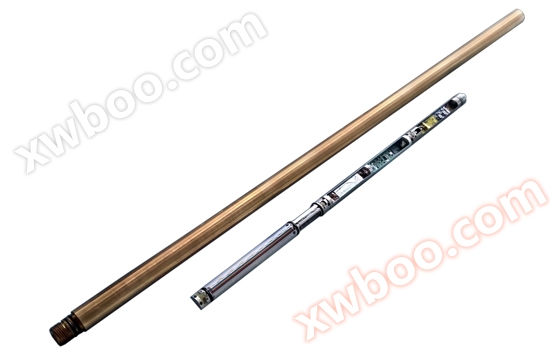
Directional gamma instrument
Directional gamma instruments are suitable for drilling operations such as horizontal and directional wells that require precise geological data. Comp
Product details
Using natural gamma instruments, it is possible to determine the current geological formation and whether it has entered or left the oil and gas reservoir. Natural gamma can determine whether it has left the oil and gas reservoir, but cannot accurately determine whether it has left from above or below.
The directional gamma instrument can detect the amount of natural gamma in different directions. By interpreting the changes in gamma data in different directions, it can determine which direction the instrument is leaving or will leave the reservoir. The directional personnel can process it in a timely manner and return to the reservoir.
In real-time drilling, directional gamma can record gamma data of eight different sectors of the formation. After drilling, trajectory imaging maps can be generated. Through imaging data, formation fault information and dip angle information can also be fed back, which is of great reference significance for a comprehensive understanding of the formation.
product image
1. Central azimuth gamma

2. Drill collar azimuth gamma (imaging gamma)

Online inquiry
-
Contacts
-
Company
-
Telephone
-
Email
-
WeChat
-
Verification Code
-
Message Content
-