
VIP member
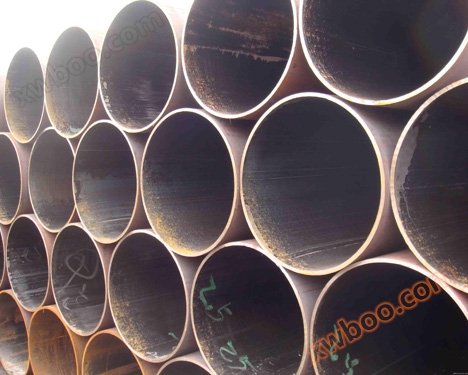
High frequency welded steel pipe
High frequency welded steel pipes are produced by using the skin effect and proximity effect of high-frequency current to heat and melt the edges of h
Product details
High frequency welded steel pipes are produced by using the skin effect and proximity effect of high-frequency current to heat and melt the edges of hot-rolled coils after they are formed by a forming machine. They are then pressure welded under the action of an extrusion roller to achieve production. High frequency resistance welding of steel pipes is different from the welding process of ordinary welded pipes. The weld seam is formed by melting the base material of the steel strip body, and the mechanical strength is better than that of ordinary welded pipes. The appearance is smooth, the precision is high, the cost is low, and the weld seam height is small, which is conducive to the coating of 3PE anti-corrosion coating. There are significant differences in the welding methods between high-frequency welded steel pipes and submerged arc welded pipes. Due to the fact that welding is completed instantly at high speeds, the difficulty of ensuring welding quality is much higher than that of submerged arc welding.
High frequency welding can be divided into contact high-frequency welding and induction high-frequency welding based on the way high-frequency current generates heat in the workpiece. When in contact with high-frequency welding, high-frequency current is transmitted to the workpiece through mechanical contact. During induction high-frequency welding, high-frequency current is generated inside the workpiece through the coupling effect of the external induction coil of the workpiece. High frequency welding is a highly specialized welding method that requires specialized equipment according to the product. High productivity, welding speed can reach 30m/min. Mainly used for welding longitudinal or spiral seams in the manufacturing of pipes.
The production process of high-frequency welded steel pipes mainly depends on the product variety. From raw materials to finished products, a series of processes are required. To complete these processes, various mechanical equipment, welding, electrical control, and detection devices are needed. These equipment and devices are arranged in various reasonable ways according to different process requirements. The typical process of high-frequency welded pipes is: longitudinal cutting - uncoiling - strip leveling - head and tail cutting - strip butt welding - sleeve storage - forming - welding - deburring removal - sizing - flaw detection - flying cutting - initial inspection - steel pipe straightening - pipe section processing - hydrostatic testing - flaw detection - printing and coating - finished products.
Online inquiry
-
Contacts
-
Company
-
Telephone
-
Email
-
WeChat
-
Verification Code
-
Message Content
-