
VIP member
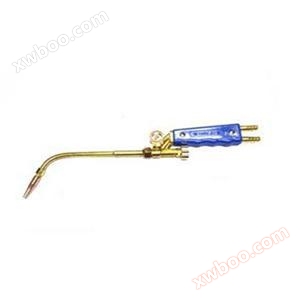
Injection type welding torch
Precautions when using a welding torch: (1) Before use, it is necessary to check its injection and suction condition. First, attach the oxygen rubber
Product details
Precautions when using a welding torch
(1) Before use, it is necessary to check its suction and ejection status. First, attach the oxygen rubber tube to the oxygen connector to connect the welding torch to oxygen. At this point, first turn on the handwheel of the acetylene regulating valve, then turn on the handwheel of the oxygen regulating valve, and press your fingers on the acetylene joint. If you feel a suction force with your fingers, it indicates that the injection and suction function is normal. If there is no suction, and even oxygen flows back from the acetylene joint, it indicates that there is no injection suction ability and must be repaired, otherwise it is strictly prohibited to use.
(2) After the welding torch suction inspection is normal, connect the acetylene rubber tube to the acetylene joint. It is generally required that the oxygen intake joint must be firmly connected to the oxygen rubber tube, that is, tightened with clamps or annealed iron wire. The connection between the acetylene inlet joint and the acetylene rubber tube should be avoided from being too tight, with the aim of not leaking air and being easy to install and remove. At the same time, check whether other gas channels, gas regulating valves, and welding nozzles are normal and leaking.
(3) The ignition can only be started after the above inspection is qualified. When igniting, the oxygen regulating valve should be slightly opened, and then the acetylene regulating valve should be opened. After ignition, the flame should be adjusted immediately to achieve a normal shape. If the adjustment is abnormal or there is a fire extinguishing phenomenon, check for air leakage or pipeline blockage and repair it. When igniting, you can also first open the acetylene regulating valve, ignite the acetylene and smoke ash, and immediately turn on the oxygen regulating valve. This private ignition method can avoid the phenomenon of explosion during ignition, and once there is a backfire after oxygen supply, the oxygen is immediately turned off to prevent backfire explosion. This ignition method can also easily detect whether the welding torch is blocked or not. Its disadvantage is that there is a slight amount of cigarette ash, which affects hygiene, but it is beneficial for safe operation.
(4) When stopping use, the acetylene control valve should be closed first, and then the oxygen control valve should be closed to prevent flame backflow and the generation of soot. If tempering occurs during use, the acetylene control valve should be quickly closed, and the oxygen control valve should be closed at the same time. After the tempering is extinguished, open the oxygen regulating valve, blow off the residual flame and ash in the welding torch, and cool the front part of the torch handle in water.
(5) If gas leakage is found in the gas passage or valve during use, the work should be stopped immediately to eliminate the leakage before continuing to use.
(6) All gas pathways of the welding torch must not be contaminated with grease to prevent oxygen from burning and exploding when encountering grease. Furthermore, the mating surface of the welding nozzle should not be damaged to prevent any impact on use due to air leakage
(7) After the welding torch is stopped, it should be hung in an appropriate place or the rubber tube should be removed to store the welding torch in the toolbox. It is strictly prohibited to store welding torches with gas sources in the toolbox.
(1) Before use, it is necessary to check its suction and ejection status. First, attach the oxygen rubber tube to the oxygen connector to connect the welding torch to oxygen. At this point, first turn on the handwheel of the acetylene regulating valve, then turn on the handwheel of the oxygen regulating valve, and press your fingers on the acetylene joint. If you feel a suction force with your fingers, it indicates that the injection and suction function is normal. If there is no suction, and even oxygen flows back from the acetylene joint, it indicates that there is no injection suction ability and must be repaired, otherwise it is strictly prohibited to use.
(2) After the welding torch suction inspection is normal, connect the acetylene rubber tube to the acetylene joint. It is generally required that the oxygen intake joint must be firmly connected to the oxygen rubber tube, that is, tightened with clamps or annealed iron wire. The connection between the acetylene inlet joint and the acetylene rubber tube should be avoided from being too tight, with the aim of not leaking air and being easy to install and remove. At the same time, check whether other gas channels, gas regulating valves, and welding nozzles are normal and leaking.
(3) The ignition can only be started after the above inspection is qualified. When igniting, the oxygen regulating valve should be slightly opened, and then the acetylene regulating valve should be opened. After ignition, the flame should be adjusted immediately to achieve a normal shape. If the adjustment is abnormal or there is a fire extinguishing phenomenon, check for air leakage or pipeline blockage and repair it. When igniting, you can also first open the acetylene regulating valve, ignite the acetylene and smoke ash, and immediately turn on the oxygen regulating valve. This private ignition method can avoid the phenomenon of explosion during ignition, and once there is a backfire after oxygen supply, the oxygen is immediately turned off to prevent backfire explosion. This ignition method can also easily detect whether the welding torch is blocked or not. Its disadvantage is that there is a slight amount of cigarette ash, which affects hygiene, but it is beneficial for safe operation.
(4) When stopping use, the acetylene control valve should be closed first, and then the oxygen control valve should be closed to prevent flame backflow and the generation of soot. If tempering occurs during use, the acetylene control valve should be quickly closed, and the oxygen control valve should be closed at the same time. After the tempering is extinguished, open the oxygen regulating valve, blow off the residual flame and ash in the welding torch, and cool the front part of the torch handle in water.
(5) If gas leakage is found in the gas passage or valve during use, the work should be stopped immediately to eliminate the leakage before continuing to use.
(6) All gas pathways of the welding torch must not be contaminated with grease to prevent oxygen from burning and exploding when encountering grease. Furthermore, the mating surface of the welding nozzle should not be damaged to prevent any impact on use due to air leakage
(7) After the welding torch is stopped, it should be hung in an appropriate place or the rubber tube should be removed to store the welding torch in the toolbox. It is strictly prohibited to store welding torches with gas sources in the toolbox.
Online inquiry
-
Contacts
-
Company
-
Telephone
-
Email
-
WeChat
-
Verification Code
-
Message Content
-