
VIP member
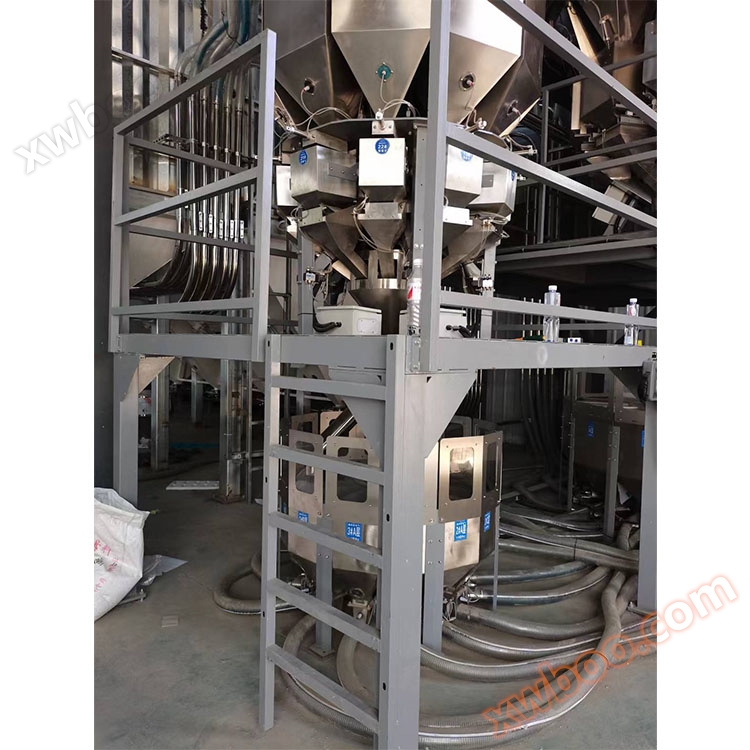
Weighing and conveying system
The weighing and conveying system is a system that combines weighing technology and conveying technology, mainly used for accurate weighing and convey
Product details
The weighing and conveying system is a system that combines weighing technology and conveying technology, mainly used for accurate weighing and conveying of various materials. The following is a detailed introduction to the weighing and conveying system:
1、 Functions and Applications of Weighing Conveyor System
Function: The main function of the weighing and conveying system is to accurately weigh and transport various materials. It can continuously and accurately weigh materials during the conveying process, and transport them to designated locations according to set requirements.
Application: Weighing and conveying systems are widely used in various industries, such as pharmaceuticals, food, chemicals, etc. In the pharmaceutical industry, weighing and conveying systems can be used for precise weighing and conveying of materials such as tablets and powders; In the food industry, weighing and conveying systems can be used to accurately measure and transport various types of food; In the chemical industry, weighing and conveying systems can be used to accurately weigh and transport various chemical raw materials.
2、 Composition and working principle of weighing and conveying system
Composition: The weighing and conveying system usually consists of the following parts:
(1) Weighing device: including weighing sensors, weighing instruments and other devices, mainly used for high-precision measurement and control of the weight of materials.
(2) Conveyor device: including conveyor belt, driving device, etc., mainly used for precise conveying of materials.
(3) Control system: including PLC, sensors, regulators, etc., mainly used to control the operation of the weighing and conveying system, including the control of weighing and conveying.
(4) Auxiliary devices: including dust collectors, filters, sensor protection devices, etc., mainly used to protect the normal operation of weighing and conveying systems and extend the service life of equipment.Working principle: The working principle of the weighing and conveying system is to measure the weight of materials with high precision through a weighing device, and then transport the materials to the designated location through the conveying device. The specific work process is as follows:
(1) Weight measurement: The weighing and conveying system measures the weight of materials with high precision through weighing sensors and transmits the weight signal to the control system.
(2) Conveying: The control system accurately conveys the material according to the set requirements, and transports the material to the designated position through the conveyor belt.
3、 Characteristics and advantages of weighing and conveying system
High efficiency: The weighing and conveying system can continuously and automatically weigh and transport various materials, greatly improving production efficiency and capacity.
High precision: The weighing and conveying system adopts advanced weighing sensors and control systems, which can achieve high-precision material weighing and control, ensuring consistency in product quality and weight.
High reliability: The weighing and conveying system has a highly reliable mechanical structure and sealing design, which can effectively prevent material leakage and pollution, ensuring safety and hygiene in the production process.
High flexibility: The weighing and conveying system has flexible configurability and maintainability, and can adapt to various production needs and changes. For example, different control and conveying methods can be selected according to the characteristics of different materials and process requirements to meet production needs.
High safety: The weighing and conveying system adopts strict safety protection measures and filtering measures, which can ensure the safety and health of equipment and operators. For example, setting up filters on the transportation route to prevent material contamination and ensure the safety of the production environment.
Easy to clean and maintain: The structure and design of the weighing and conveying system make it easy to clean and maintain, effectively extending the service life of the equipment and ensuring production continuity.Highly integrated: The weighing conveyor adopts a highly integrated design, allowing various equipment and control devices to be organically combined to achieve efficient and stable operation.
Customized design: According to the specific needs of different industries and enterprises, different models and specifications of weighing conveyors can be customized to meet different production processes and technical requirements.
Data sharing: In the future, weighing conveyors will achieve data sharing and interaction, and improve overall production efficiency and collaboration capabilities through coordinated operation with other devices and systems.
Intelligent control: Future weighing conveyors will adopt more advanced intelligent control strategies and technologies, which can intelligently adjust and optimize according to the needs of the production line, and improve the adaptability of the production process.
Environmental protection and energy conservation: In the future, weighing conveyors will adopt more environmentally friendly designs and technologies, fully considering energy consumption and environmental protection factors, to achieve low energy consumption, low noise, and low pollution operation effects, in line with the requirements of sustainable development.
Modular design: Future weighing conveyors will adopt a modular design concept, which can be configured and expanded according to different production needs and changes to meet higher production requirements and quality standards.
High precision control: Future weighing conveyors will be further optimized in terms of high-precision control, using new sensors and control algorithms to improve the control accuracy of material weight and position, thereby better meeting production requirements.
Automation upgrade: In the future, weighing conveyors will develop towards a higher degree of automation, achieving automated functions such as suction, transportation, and measurement, reducing the need for manual intervention, and improving production efficiency and quality stability.
Low maintenance cost: Due to the advanced technology and design concepts adopted by future weighing conveyors, their maintenance cost is relatively low, which can save the equipment investment cost of enterprises. At the same time, through highly integrated and modular design, the maintenance and repair of equipment are made more convenient


Online inquiry
-
Contacts
-
Company
-
Telephone
-
Email
-
WeChat
-
Verification Code
-
Message Content
-